

What Is Voguing? The History of Ballroom Culture, Houses, and Balls
Voguing is a dance language that grew from ballroom culture: the Black and Latino LGBTQ+ house-ballroom scene where people compete, perform, build chosen families, and turn style into survival. If you arrived here through a search for ballroom terms, it helps to know that this is not the same thing as waltz, foxtrot, tango, or competitive ballroom dance. Ballroom culture is its own world, with its own history, categories, music, elders, houses, and rules of respect.
What Is Voguing?
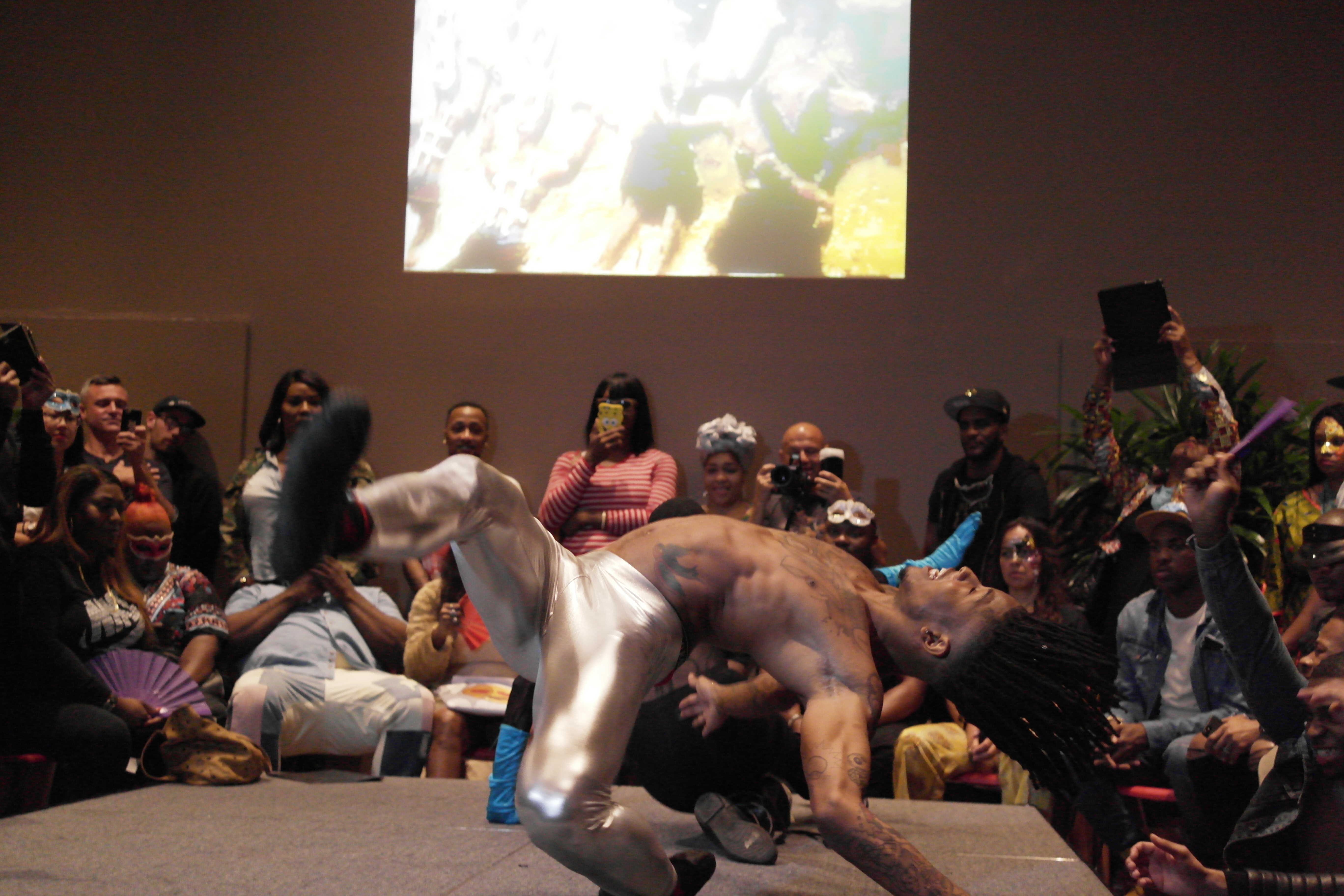
Voguing, sometimes written as vogue or vogueing, is a stylized dance form associated with the ballroom scene. It uses poses, lines, angles, hand gestures, floorwork, spins, dips, runway attitude, and sharp musical timing. The name points to the world of fashion magazines, but the dance is not simply imitation. In ballroom, a pose can be a challenge, a joke, a declaration, a weapon, or a signature.
At a ball, voguing is usually not performed as a casual party trick. It appears inside categories, battles, and judged performance. A dancer “walks” a category, meaning they enter the competition and present themselves to the judges. The goal may be to show precision, femininity, masculinity, drama, control, beauty, humor, fashion, or a very specific fantasy. The floor is both stage and argument.
That is why voguing can look so different from clip to clip. Sometimes it is clean, linear, and statue-like. Sometimes it is elastic and acrobatic. Sometimes the hands tell the story. Sometimes the body seems to cut, spin, dive, and reappear on the crash of the beat. What connects these versions is not just movement vocabulary. It is the ballroom context behind the movement.
Why “Ballroom” Does Not Mean Ballroom Dance Here
On a dance site, the word “ballroom” usually makes people think of International Standard, American Smooth, Latin, Rhythm, social dancing, or competition dances like waltz and cha-cha. In LGBTQ+ ballroom culture, the word points instead to balls: competitive performance events where participants walk categories for trophies, status, recognition, and community pride.
The overlap is mostly linguistic. Ballroom dance and ballroom culture both care about presentation, music, floorcraft, and performance, but they come from different histories. Ballroom culture is rooted in queer and trans communities of color, especially Black and Latino communities in New York. It developed in response to exclusion, racism, homophobia, transphobia, poverty, and the need for spaces where people could be seen on their own terms.
That difference matters. If someone clicks a post called “ballroom culture” expecting foxtrot vocabulary, they should quickly learn that they have entered another dance lineage. It is still dance-related, and deeply performance-related, but it belongs to a different social world.
The Roots: Drag Balls, Harlem, and Exclusion
The deeper roots of ballroom culture reach back to drag balls and masquerade events in New York, including gatherings associated with Harlem. These events created rare spaces for gender play, pageantry, costuming, and queer social life. Over time, Black and Latino participants increasingly built their own spaces because mainstream pageants and white-dominated drag scenes often marginalized or unfairly judged them.
One turning point often named in ballroom history is Crystal LaBeija, a Black drag queen whose frustration with racist judging helped inspire a new model of balls and houses. The House of LaBeija became one of the foundational names in the house-ballroom system. From there, the idea of a “house” became much more than a team name. It became a structure for mentorship, kinship, competition, and survival.
The National Museum of African American History and Culture describes voguing as emerging from ballroom culture in which Black and Latino voguers competed for trophies and house reputation. Britannica similarly frames ball culture as an LGBTQ+ subculture centered on competitions judged through costume, dance, personality, and other categories. Those brief definitions point to a larger truth: the dance, the categories, and the chosen-family structure grew together.
Houses: Chosen Family and Competitive Team
A ballroom house is part family, part training ground, part social network, and part competitive team. Houses are often led by a mother, father, or other elder figure. Members may be called children. House names can reference fashion, glamour, lineage, or the founder’s persona: LaBeija, Xtravaganza, Ninja, Revlon, Mizrahi, Mugler, Balenciaga, Ebony, Prodigy, and many others have become important names in ballroom memory.
For LGBTQ+ people who experienced rejection by families, schools, employers, or churches, a house could provide more than performance coaching. It could mean advice, shelter, clothing, food, friendship, safety, and a way to become someone in public. The competition mattered because trophies and reputation mattered, but the house system also answered a social need.
This is one reason ballroom language can sound theatrical and familial at the same time. A house can “walk” together. A mother can prepare a child. A father can guide a category. A legendary figure can become part of a lineage. The words are not decorative. They describe how culture is organized and passed on.
What Happens at a Ball?
A ball is a competitive event built around categories. Some categories focus on dance and performance. Others focus on runway, fashion, face, body, realness, labels, bizarre looks, hands, or other specific forms of presentation. Participants walk in front of judges, receive scores, and may battle head-to-head until winners are chosen.
One famous phrase, “tens across the board,” refers to receiving perfect scores from judges. Another common phrase, “chop,” means being eliminated from a category before reaching the battle stage. A competitor who continues may battle another contestant, and the crowd response, commentator, beat, and judging panel all shape the energy of the room.
The atmosphere can be glamorous, funny, severe, joyful, competitive, and emotionally intense. A ball is not only a show for spectators. It is a community event with memory. People know who walked before, who changed houses, who has a reputation, who has been working, and who is trying to claim legendary status.
The Major Styles of Voguing
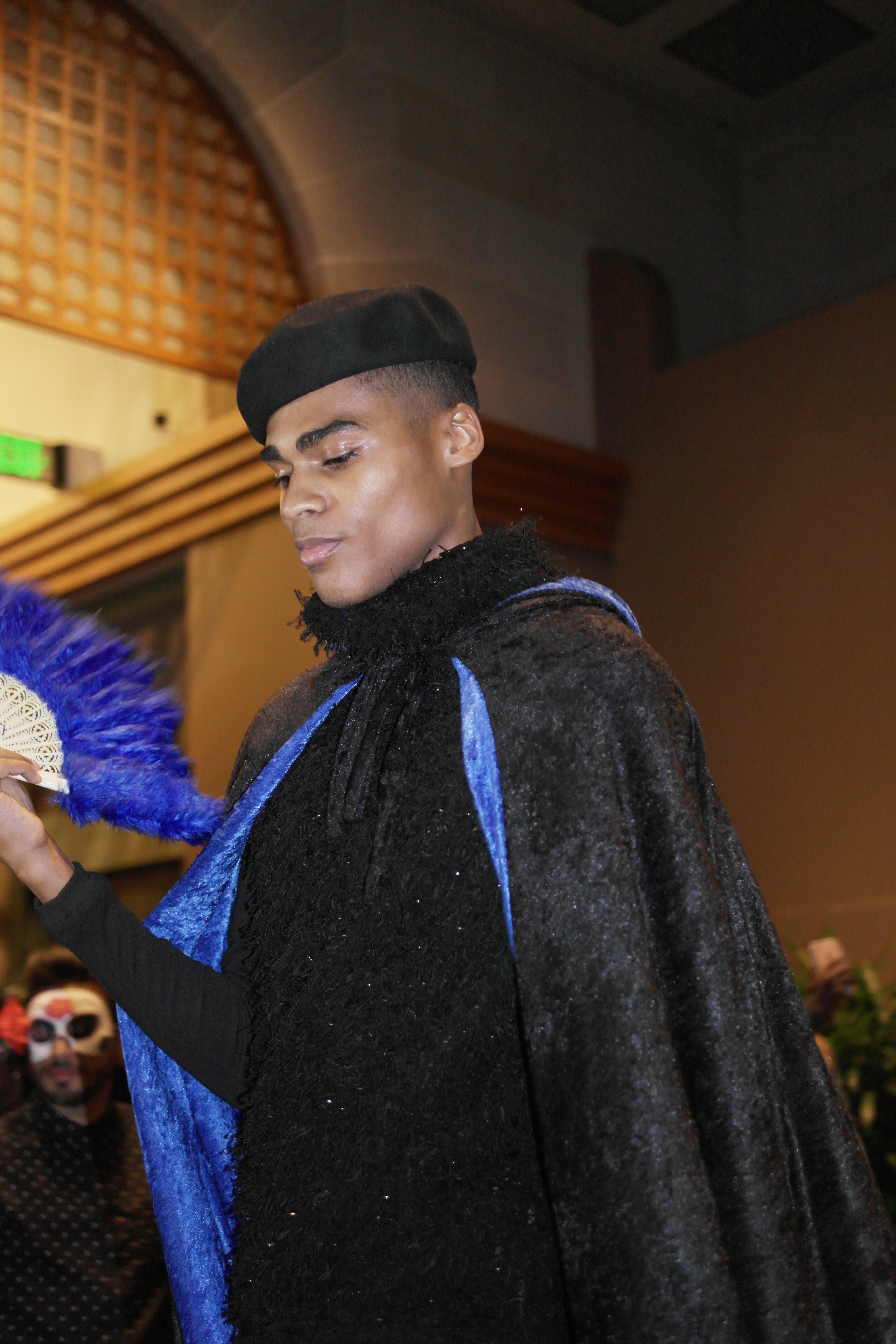
People often talk about three major voguing styles: Old Way, New Way, and Vogue Femme. These labels are useful, but they are not rigid boxes. Different cities, houses, generations, and teachers may describe details differently, and the scene keeps evolving.
Old Way is associated with clean lines, symmetry, posing, precision, and controlled transitions. It often emphasizes shapes that look sculptural or editorial. Dancers may strike and recompose poses in ways that feel connected to fashion photography, martial arts, Egyptian-inspired lines, and classic runway presentation.
New Way pushes flexibility, contortion, complex arm control, illusions, and geometric shapes. It can look almost impossible when done well: joints seem to fold and unfold into patterns, and the body becomes a moving architecture of angles.
Vogue Femme is often organized around five elements: hand performance, catwalk, duckwalk, floor performance, and dips. It can be soft and fluid or dramatic and explosive, depending on the performer and category. Femme performance has become one of the most visible forms of voguing in contemporary media, but it is also one of the forms most often misnamed or imitated without context.
Willi Ninja and the Global Image of Voguing
Willi Ninja is often called the “Godfather of Voguing.” He did not invent the form by himself, and ballroom culture was never a one-person creation. His importance lies in how he refined, taught, performed, and carried voguing into wider public view. He founded the House of Ninja in the early 1980s and became one of the most recognizable figures connected to the dance.
Ninja appeared in Paris Is Burning, worked in fashion and performance contexts, and became a bridge between underground ballroom and global audiences. Google’s 2023 Doodle celebrating Willi Ninja called him an iconic dancer and choreographer and noted that the House of Ninja continues today. That kind of recognition matters, but it also reminds us how often mainstream culture notices a form only after a community has spent years creating it.
Paris Is Burning, Madonna, and Mainstream Attention
In 1990, two pop-culture events changed how many outsiders learned about ballroom. Jennie Livingston’s documentary Paris Is Burning introduced wider audiences to houses, balls, voguing, realness, and iconic ballroom figures. That same year, Madonna released “Vogue,” bringing ballroom-inspired posing into pop music, music television, clubs, and fashion imagery around the world.
These moments are complicated. They helped many people discover ballroom, but they also raised questions about who benefits when underground Black and Latino LGBTQ+ culture becomes fashionable. The documentary itself has been praised, debated, critiqued, and rewatched for decades. Madonna’s video remains a major pop artifact, but the dance and culture did not begin with her. A responsible history has to say both things: mainstream exposure changed the visibility of voguing, and the culture had already been built by ballroom communities.
Ballroom Music, Commentators, and the Beat
Voguing is not only visual. It depends on sound. Ballroom performance is shaped by DJs, commentators, chants, crashes, house beats, and the call-and-response energy of the room. The commentator is not a background announcer. A strong commentator can hype a walker, frame a battle, sharpen the room’s attention, and turn a category into a story.
Classic ballroom tracks, house music, and vogue beats gave dancers the musical architecture for posing, dipping, spinning, and responding. In modern ballroom, music can still be highly specific: the beat tells dancers when to stretch, hit, recover, and answer. If you only watch silent clips, you miss half the art.
What Ballroom Gave to Popular Culture
Many words and gestures that now circulate through fashion, drag, social media, reality TV, and queer nightlife have ballroom roots or ballroom influence. Phrases like “shade,” “realness,” “serving,” and “tens” have traveled far beyond the rooms where they were sharpened. Television shows such as Pose and Legendary increased mainstream awareness, while performers and teachers brought vogue classes to studios around the world.
That wider visibility can be powerful, especially when ballroom artists are paid, credited, and allowed to tell their own stories. It can also become flattening when people copy a dip, use the wrong words, or treat ballroom as a costume. Appreciation starts with learning lineage. The dance is exciting, but the culture is not just a look.
How to Learn Respectfully
If you are new to voguing or ballroom culture, start by learning before performing. Watch interviews with ballroom elders. Learn the difference between ballroom culture and ballroom dance. Understand that houses and balls are community structures, not just aesthetics. If you want to take a class, look for instructors who are connected to ballroom and who credit their sources.
Language also matters. Some terms are community-specific and may carry histories that outsiders do not fully understand. Some words change meaning from city to city or generation to generation. A glossary can help, but it is not a substitute for context. Use terms carefully, and be open to correction.
Most of all, remember that ballroom was built by people who needed space to survive, compete, shine, and be recognized. When you watch a ball or learn a vogue element, you are encountering more than dance technique. You are encountering a cultural system made from resilience and imagination.
Categories, Realness, and the Power of Fantasy
One of the easiest mistakes outsiders make is assuming that ballroom is only about voguing. Voguing is central, but a ball is much broader than one dance style. Categories can test runway walk, fashion, labels, face, body, schoolboy or executive presentation, bizarre creativity, sex siren, old way, new way, performance, hands, and many other forms. The category tells the contestant what fantasy, skill, or identity is being judged.
Realness is one of the most discussed and misunderstood ideas in ballroom. In a simple definition, realness asks whether a contestant can convincingly embody a particular role or social type. But the category carries more weight than costume. For people who were often denied safety, employment, housing, gender recognition, or public dignity, realness could become a way to study how power presents itself and then perform that power back to the world.
That is why ballroom fantasy is not empty fantasy. A category can be funny, glamorous, cutting, or outrageous, but it also reflects the real social pressures around race, gender, class, sexuality, beauty, and respectability. Ballroom turns those pressures into theater. The room knows the code, and the best walkers know how to make that code visible.
Kiki Ballroom and New Generations
Another useful term is kiki. In many places, kiki ballroom refers to a younger, sometimes more accessible or community-supportive scene related to mainstream ballroom. Kiki events can provide space for learning, health outreach, youth leadership, and lower-pressure participation. The relationship between kiki and mainstream ballroom varies by city, but both show that ballroom is not frozen in the 1980s or 1990s.
Modern ballroom exists in New York, Philadelphia, Baltimore, Washington, Atlanta, Chicago, Los Angeles, Paris, London, Tokyo, Mexico City, Toronto, and many other places. Local scenes develop their own reputations and energies. Social media has made clips travel faster, but it has also made it easier for people to see movement without understanding the room it came from. That tension is now part of the culture’s public life.
The continuing growth of ballroom is one reason a simple definitions page can attract search traffic. People hear terms in music, drag, fashion, television, TikTok, or queer nightlife and then go looking for meaning. A good explanation should help them learn the words while also pointing them back to the people and communities who made those words matter.
Common Mistakes When People Talk About Voguing
The first mistake is saying that Madonna invented voguing. She did not. Her song and video helped bring the image of voguing to a huge mainstream audience, but ballroom communities had already developed the dance, the battles, the houses, and the language.
The second mistake is calling every dramatic floor move a “death drop.” In ballroom, many performers and teachers prefer terms such as dip or shawam, depending on the context and lineage. The exact language can vary, but the point is simple: learn the words from people in the culture rather than from viral captions.
The third mistake is treating ballroom as only drag. Drag and ballroom overlap historically and socially, but ballroom includes many categories and identities. It includes gay men, trans women, butch queens, femme queens, women, nonbinary people, fashion walkers, runway specialists, commentators, DJs, house parents, and community organizers. The culture is larger than any one media image.
Further Reading and Viewing
- Ballroom Culture Terms and Definitions – our companion glossary.
- A Brief History of Voguing from the National Museum of African American History and Culture.
- Ball culture overview from Britannica.
- How drag balls evolved into house ballroom from HISTORY.
- Google Doodle celebrating Willi Ninja.
- Paris Is Burning trailer from The Criterion Channel.
- Smithsonian record for Voguing at the Ball.