

History of Arthur Murray
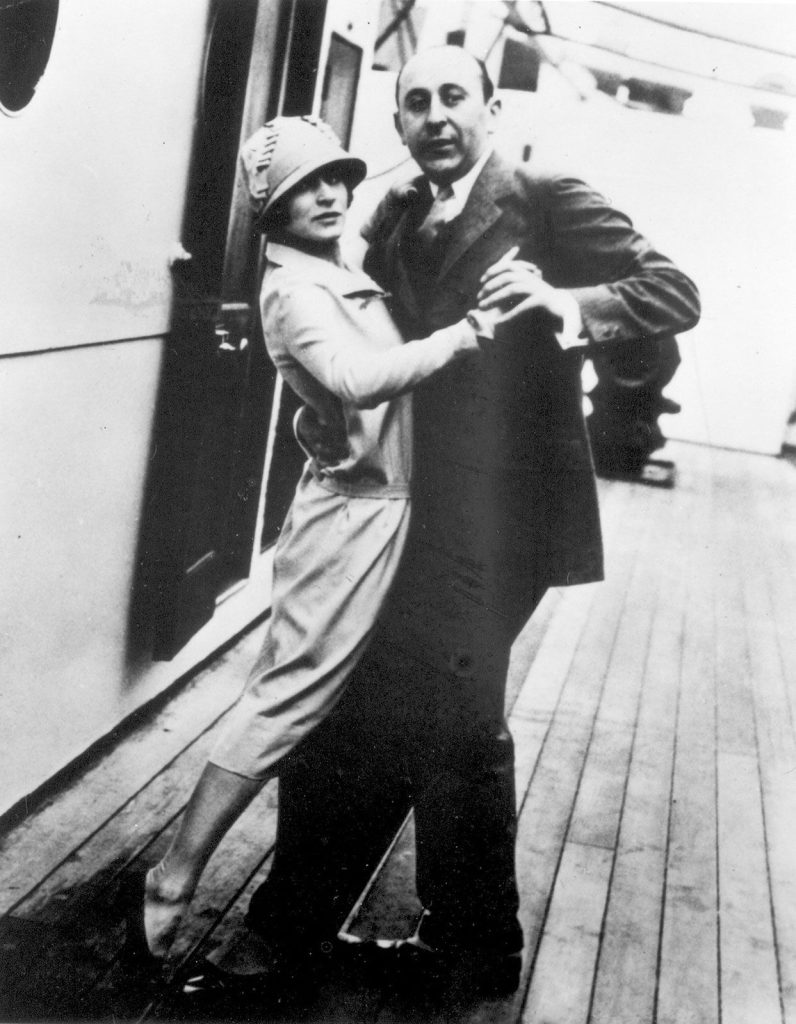
Arthur Murray, a name that has become nearly synonymous with ballroom dancing, shaped the dance world in ways that few have. Through his innovative teaching methods and entrepreneurial spirit, he made dance accessible to the masses and left an indelible mark on popular culture. This article delves into the life and contributions of Arthur Murray, from his early beginnings to his profound influence on dance education, as well as the partnerships and methods that played a role in his success.
Early Life and Dance Beginnings
Arthur Murray was born Arthur Moses Teichman on April 4, 1895, in Galicia, Austria-Hungary, a region that is now part of Poland. His family immigrated to the United States when he was four, settling in the bustling cultural hub of New York City. Growing up in the melting pot of America, Murray was exposed to a variety of cultural influences, sparking his interest in dance from a young age.
By the time he reached his teenage years, his passion for dance blossomed, and he began formal dance training. His early teachers played an important role in shaping his dance style, including masters of traditional ballroom forms. Recognizing his talent, he started teaching dance in his early twenties. Murray quickly gained a reputation for being not only a skilled dancer but also an effective instructor, a skill that would define his legacy.
Forging His Dance Empire: Early Collaborations and Ventures
Murray’s entrepreneurial journey in dance began in 1912 when he started competing and performing at various venues. His success in competitions laid the groundwork for his next innovation—mail-order dance lessons. His first attempt at selling lessons involved using a kinetoscope (a device that exhibited moving images within a box by advancing a film strip), but it wasn’t well-suited for mail-order as many arrived damaged. Despite the setback, Murray persevered.
His breakthrough came with his second mail-order business, which involved the now-famous Arthur Murray ‘footprints’ method. These footprints allowed dancers to place their feet on the floor and follow the patterns to learn dancing. This innovation made dance lessons more accessible to a broader audience and marked the beginning of his teaching empire. Murray also partnered with ballroom legends Vernon and Irene Castle, icons of the 1910s ballroom scene, further solidifying his reputation.
The Birth and Expansion of Arthur Murray Dance Studios
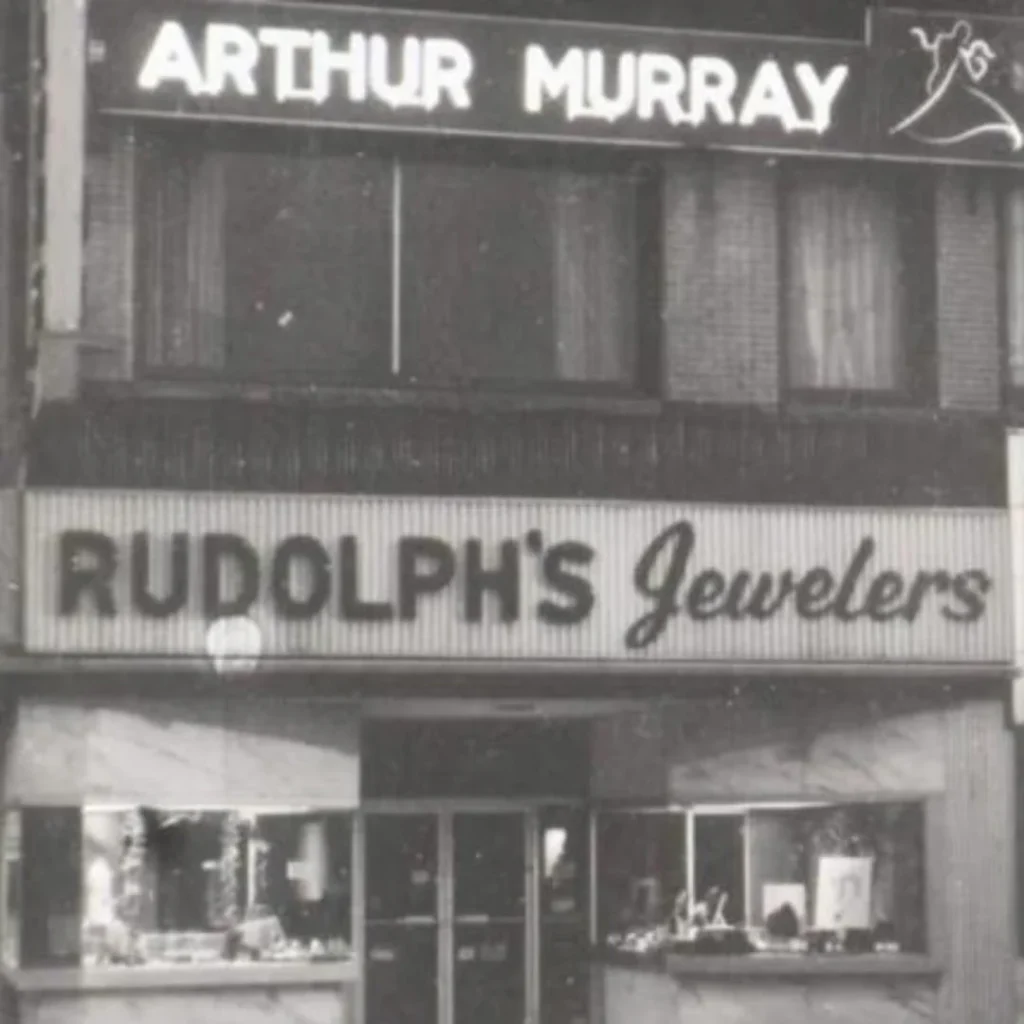
In 1925, Murray opened his first dance studio in New York City, which quickly became a success. His dance teaching methods, which simplified complicated steps, attracted students of all levels. Murray was not just selling dance lessons; he was selling confidence, style, and a sense of belonging. His students ranged from ordinary people to high-profile celebrities. Among the famous people who took lessons at Arthur Murray Studios were Eleanor Roosevelt, the wife of President Franklin D. Roosevelt, and entertainer John Wayne.
By the 1930s, the Arthur Murray Dance Studios began to spread across the United States. His growing success allowed him to franchise his studios, making ballroom dance accessible to a wide audience. What distinguished his teaching was his focus on breaking down steps in an easy-to-understand way, which appealed to beginners. His “one step at a time” philosophy still resonates in dance instruction today.
Teaching Methods and Techniques
Arthur Murray’s approach to dance instruction was unique for its time. He focused on making dance accessible and enjoyable for everyone, regardless of their experience. His method relied heavily on teaching students basic patterns, which they could then combine into more complex routines as they progressed. These patterns were broken down in a way that was easy to memorize and practice, and Murray emphasized repetition to reinforce muscle memory.
Another hallmark of his teaching was the focus on “lead and follow,” the fundamental dynamic between partners in ballroom dancing. Murray was also a master of using analogies and visual aids, such as his famous footprint diagrams, to help students understand the steps without getting bogged down in technical jargon. This simplicity and clarity of instruction made his studios popular with a wide range of people, from beginners to advanced dancers.
The Rise of a Cultural Phenomenon: Arthur Murray Studios
The 1940s and 1950s were a golden age for ballroom dancing, and the Arthur Murray Dance Studios were at the forefront of this cultural explosion. Social dance had become a staple of American nightlife, and Murray’s studios became a beacon for anyone who wanted to learn the latest dance styles—from the foxtrot and waltz to the jitterbug and swing.
Arthur Murray wasn’t just a dance teacher; he was a businessman and showman. In 1950, he launched “The Arthur Murray Party,” a television show that ran for a decade. The show featured dance performances, competitions, and celebrity guests, drawing millions of viewers and further popularizing ballroom dance in American culture. The show’s popularity played a pivotal role in promoting ballroom dancing as a sophisticated, mainstream activity.
During this period, many high-profile dancers and instructors worked with Murray to develop his syllabus and training techniques. These included notable ballroom figures like Pierre Dulaine, who later became a four-time British Exhibition Champion and went on to inspire a generation of dancers.
Expanding Influence and Cultural Impact
Arthur Murray’s legacy extends far beyond the dance floor. He was a prolific author, writing several books that demystified dance techniques and shared his passion with readers. His publications, such as The Modern Dances, How to Become a Good Dancer, How to Follow, and The Dance Teacher’s Manual, were pivotal in shaping how dance was taught across the globe.
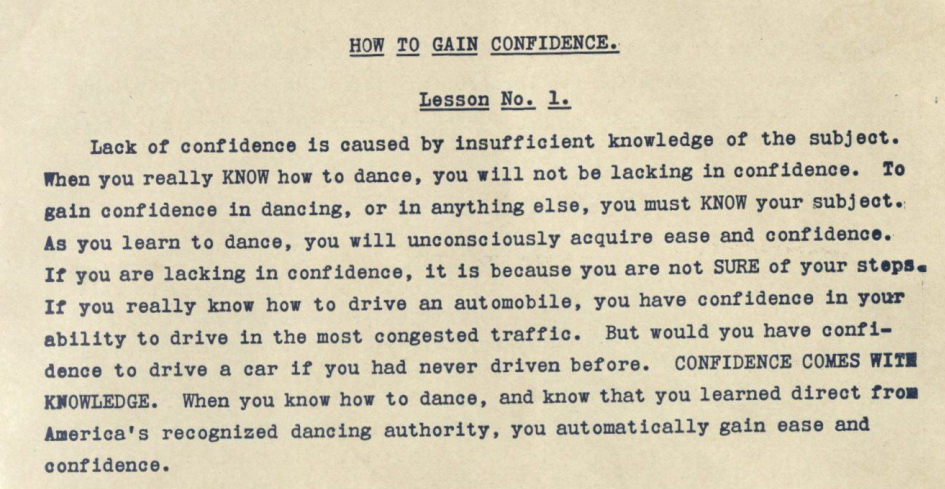
In addition to his writing, his dance studios were directly responsible for training some of the biggest names in entertainment, as well as countless dance instructors who spread his methods worldwide. The studio franchise, now with over 270 locations in 22 countries, continues to be a leading force in dance education.
Murray’s contributions to dance also include innovations in how dance was taught on a broader scale. His studios offered a blend of personal instruction and group classes, ensuring that students could learn in the way that best suited them. This flexibility, combined with a commitment to making dance approachable, made Arthur Murray Studios a household name.
Continued Success and Global Reach
Today, the Arthur Murray Dance Studios are not just places to learn dance steps; they are community hubs where people can connect, learn, and grow. His early vision of using dance as a way to build confidence and foster social connections is alive and well in studios around the world.
Arthur Murray’s name lives on as a symbol of the enduring power of dance to bring people together. Whether it’s a couple preparing for their wedding dance, or someone simply looking to learn a new hobby, his studios remain a vital part of the global dance community.
Notable Teachers and Instructors from Arthur Murray Studios
Arthur Murray’s legacy is not only defined by the dance studios he established but also by the generations of teachers and dancers who have passed through his doors. Many renowned dancers and instructors began their careers at Arthur Murray Studios, using the foundation they gained to leave their own mark on the world of dance.
One of the most famous instructors to emerge from the Arthur Murray system is Pierre Dulaine, a four-time British Exhibition Champion. Dulaine started his teaching career at an Arthur Murray studio, and his training there was integral to his development as a professional dancer and educator. Dulaine later co-founded the renowned ballroom dance company, DanceSport, and became a major figure in competitive ballroom dancing, choreographing for movies and training countless dancers around the world. His story was even dramatized in the film Take the Lead, where Antonio Banderas played Dulaine.
Another influential figure in the dance world with roots in Arthur Murray Studios is Mary Murphy, best known as a judge and choreographer on the popular television show So You Think You Can Dance. Murphy started her dance career teaching ballroom at Arthur Murray before achieving international recognition for her ballroom expertise. Her experience teaching beginners at Murray’s studios gave her a deep understanding of how to break down complex dance styles for new learners, a skill that has served her well throughout her career.
Additionally, Bill Davies, a U.S. National Professional Ballroom Champion, also began his teaching career at Arthur Murray. After training at one of the studios, Davies went on to become one of the top competitive dancers in the United States and a respected coach and judge in ballroom competitions.
These individuals, among others, exemplify the wide-reaching influence of Arthur Murray’s dance education model. Many of today’s top ballroom dancers and choreographers credit their beginnings to the skills they honed within the Arthur Murray system. The studio’s structured syllabus and supportive environment have continually fostered talent, helping dancers transition from novices to professionals, and ensuring that Murray’s teaching philosophy continues to shape the dance world.