There have been blind studies comparing MP3s at 128 bit compression, 196 bit and 256 bit with the originals.
At 128 most people can’t tell difference except those with a good ear.
At 196 you have to have an exceptional ear to consistently identify the MP3 version.
At 256 you really can’t tell them apart unless you are some freak of a nature.
I've worked with excellent musicians and sound engineers and people with superb hearing and audial discernment — bad, lossy compression is quite audible with a bit of effort, but beyond certain thresholds, the differences simply aren't noticeable enough to justify investing in the best of the best transfers. Given the often lackluster audio equipment I have to work with, and the generally decreasing volume/quantity of transfers with increasing quality of sound, it's very much a luxury than anything else.
I already have a substantial library that I'm always working on, but I still don't like the way a lot of DJs gatekeep tango DJing by mandating only high quality transfers. I find that knowledge and selection of music, as well as understanding and adapting to (or influencing) the dancers way more important; Spotify or even YouTube is an acceptable stand-in, especially if it's just a practica, but any self-respecting DJ would of course be building their own collections.
Plus, I know at least one DJ whose USP centers around playing vinyls, but his choice of music and tanda composition is highly questionable, monotonous and downright boring. He's invited back time and time again because he has connections and organisers think vinyls draw more attendees — which they do, because the vast majority of dancers there just want to dance to music and will dance to almost anything as long as it isn't really shite.
Frankly, while I very much appreciate a high quality soundscape, I already know most pieces well enough that I can hear and dance to them in my head; I'd prize selection and available variety of music over the quality of the transfers.


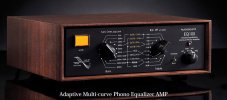
 It's much more complicated! Between shellac and magnetic tape lies the cartridge system with the needle. And this is where all the distortion begins. Every record label had its own EQ curves and parameters, and sometimes even the curves changed after five years. This mess stems from the fact that the records were originally intended to be played only with proprietary hardware. The second source of error is the analog copy to tape or vinyl. Not to mention drunken sound engineers, as reverb often was added in the 70s. And mistakes are also made in the last step, too. Vinyl records from the 50s and 60s were played with conical diamond styluses, instead of elliptical ones like today. In the first and second generation of digital transfers from TT, the orchestra pitch often was completely wrong. These guys were just thinking like technicians and trusted the quality of their turntables and A2D sound cards. But the sound engineers of the golden age were apparently more often drunk or played the controls too self-absorbedly, so that certain pieces had a higher pitch and a greater speed. I noticed this because I couldn't play along with these digital files with my pre-war bandoneón tuned to 440 Hz. As bandoneóns can only be retuned twice, I wrote a letter to TT ten years ago. Tech nerds, DJs, and especially tango dancers are musically illiterate! All this sparked a flurry of new research into as to when which orchestra changed its pitch. Back then, it had to do with their traveling activity and the piano in the respective recording studio. The guys at